How to Build a Website That Converts for Service Businesses
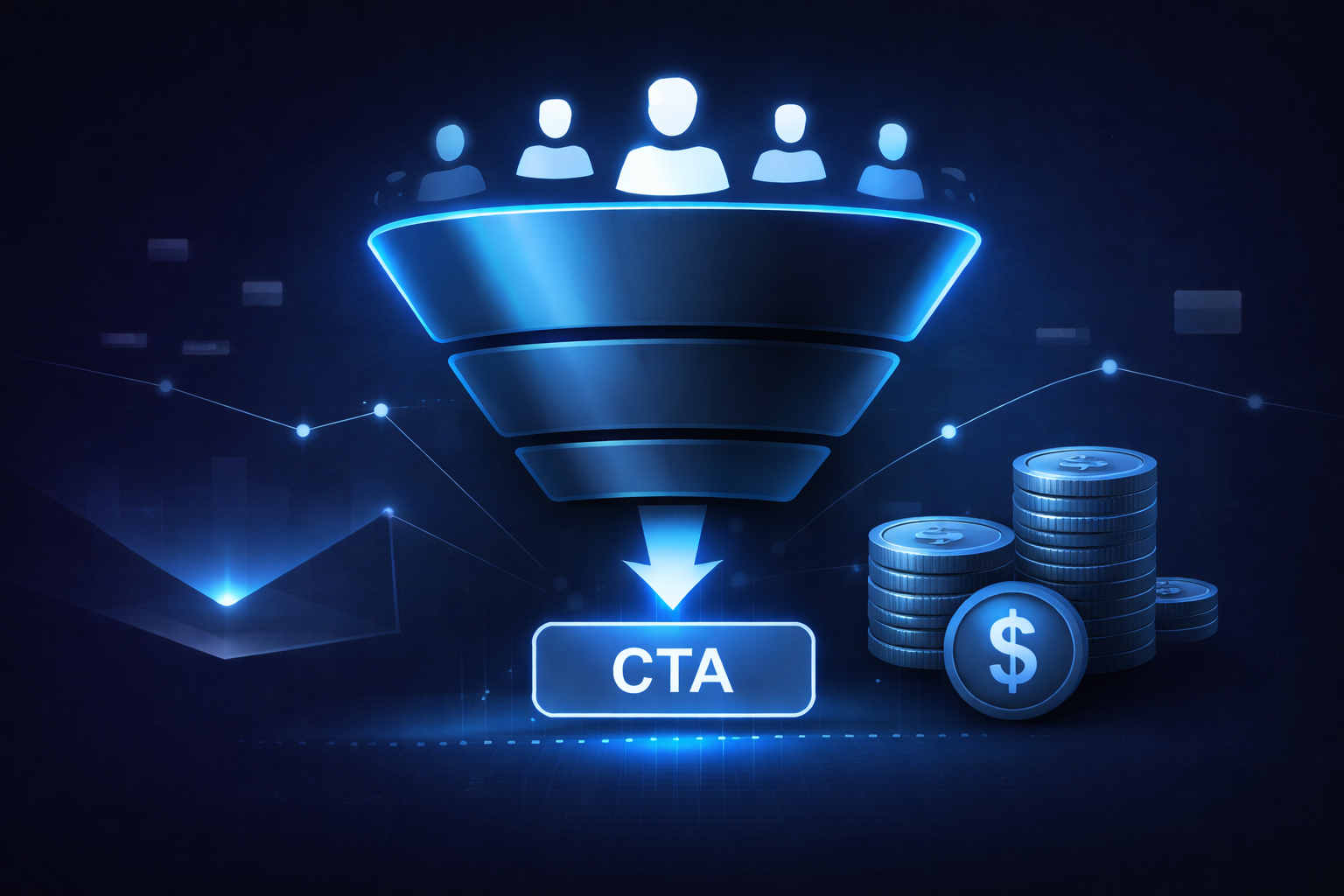
Most websites fail because they look fine but don’t guide a visitor to take action. Here’s the exact conversion structure we use for local businesses.
1) One clear promise above the fold
Say what you do, who it’s for, and what happens next. Then put a strong CTA button right there.
2) Prove it fast with social proof
Add reviews, short testimonials, or quick stats right under the hero.
3) Show your offer in plain language
List what’s included and what problem it solves. Avoid vague marketing words.
4) Make contact frictionless
Click-to-call, short form, or booking flow. Make it impossible to get lost.
5) Track and iterate monthly
Conversion increases are usually small changes: headlines, offer order, CTA placement, speed.
Extra tips that move the needle
Small changes compound. Tighten your headline, move your primary CTA higher, and use real photos of your work. These three changes alone often lift conversions without touching your traffic.
If you’re targeting local searches, add one location-specific paragraph and a short FAQ section. It helps match intent and builds trust for visitors who want proof you serve their area.
Next steps
Pick one improvement to make this week: upgrade your CTA, speed up your images, or add tracking for click-to-call and forms. Then measure the impact and keep iterating monthly.
That’s the point of a managed website: it doesn’t stay frozen. It gets better every month and turns more visitors into booked calls.
Common mistakes to avoid
Most sites fail from small issues: vague headlines, too many CTAs, and no clear “next step.” If your visitor has to think, they leave. Keep one primary action and support it with trust and proof.
Another killer is missing intent. If you want to rank, your pages need to match real searches like website that converts, not generic “services” pages that say nothing.
Homepage structure that works
Use a simple flow: promise → proof → offer → process → FAQ → CTA. Each block should answer one question and lead to the next step. This keeps the experience predictable and conversion-friendly.
Add short, scannable bullets near your CTA. People skim first, then read if you earn it.
Trust signals that increase conversions
Real photos, reviews, and clear service areas beat fancy design. Put proof right next to your form or booking button. If possible, add a short guarantee or “what happens next” line to reduce anxiety.
If you have before/after images, show them. If you have awards or certifications, place them near the top.
How to write copy that sells without sounding salesy
Speak in outcomes: “more booked calls,” “faster quotes,” “clear packages,” “easy scheduling.” Avoid buzzwords. Use simple, direct lines your customers would say out loud.
Make your offer concrete: what’s included, who it’s for, and what the visitor should do next.
Tracking and iteration
Track the actions that equal money: click-to-call, form submits, booking clicks. Then improve one thing per month—headline, CTA placement, offer order, or page speed.
This is where most businesses win: consistent small improvements that compound over time.
Next steps
Pick one fix to do today: tighten your headline, add proof under the hero, or move your form higher. Then measure results and repeat monthly.
That’s the point of managed web: your site doesn’t stay frozen—it gets better and converts more every month.
Want a site that does this for you?
We build conversion-first websites and manage them monthly so your site keeps improving.